
Visualize
What Will I Look Like If I Lose 50 or 100 Pounds?
Short answer
After losing 50 pounds most people look like they've moved into a different size category: the face and neck are much leaner, the jawline and collarbones are clearly visible, and clothes are typically several sizes smaller. After 100 pounds the change is usually transformative — friends may not recognize you at first — and loose skin on the belly, arms or thighs becomes likely, especially with age, fast loss, or many years at a higher weight. At 1–2 lb per week, 50 lb takes about 6–12 months and 100 lb about 1–2 years.
Key takeaways
- 50 lb is 20–30% of body weight for most people who aim for it — a different-looking body, not just a slimmer one.
- 100 lb almost always changes face shape, posture and proportions; loose skin is common.
- Loose skin depends on age, speed of loss, genetics and how long the weight was carried.
- A realistic preview should show natural skin, not airbrushed abs.
What does each 25-pound milestone look like?
| Milestone | Typical visible change | Time at 1–2 lb/week |
|---|---|---|
| −25 lb | Face and neck clearly leaner; usually one or two sizes down; others comment | 3–6 months |
| −50 lb | Different size category; collarbones, jaw and waist much more defined; posture often improves | 6–12 months |
| −75 lb | Proportions change (limbs look longer, torso narrower); loose skin may appear on belly and arms | 9–17 months |
| −100 lb | Transformative; face shape and silhouette look new; loose skin likely in some areas | 12–23 months |
How dramatic a 50 lb loss looks still depends on your starting point: it's 20% of 250 lb but 33% of 150 lb. Use the BMI calculator to see how a goal shifts your BMI category, and how long it takes to lose 50 or 100 pounds for the full timeline.
What does a large weight loss look like on a real photo?
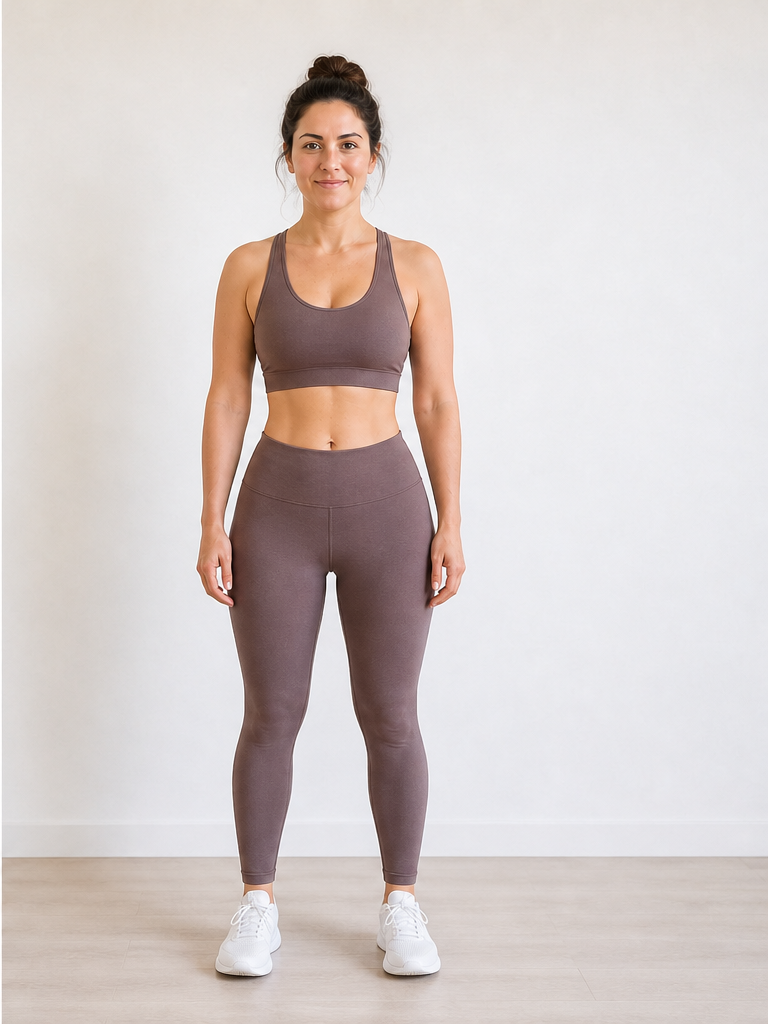
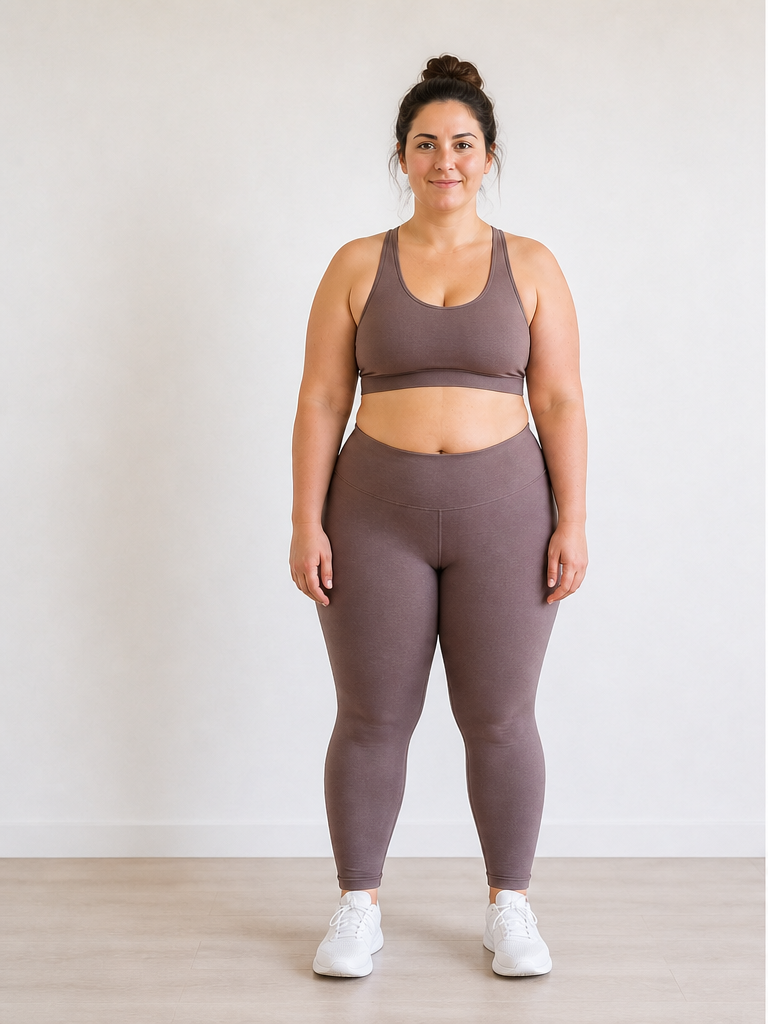 Before−30 lbs
To see where you'd be at each stage of a bigger goal, the progression simulator generates four milestones from one photo; for a single target up to 100 lb, use the before-and-after simulator.
Will I have loose skin after losing 50 or 100 pounds?
Possibly — and after 100 lb, probably to some degree. Skin stretches over time to accommodate weight, and it doesn't always fully retract. The factors most often cited are:
- Amount lost: the more weight, the more skin was stretched.
- Age: skin loses elasticity (collagen and elastin) with age.
- Speed: rapid loss gives skin less time to adapt. The American Society of Plastic Surgeons notes rapid weight loss can cause rapid volume loss and skin laxity, especially in the face.
- Duration: years at a higher weight stretch skin more.
- Genetics, sun exposure and smoking all affect skin quality.
Losing at a steady pace, keeping protein intake adequate and doing strength training to maintain muscle are the most commonly recommended ways to look your best at the end. Significant excess skin after major weight loss is usually addressed by a board-certified plastic surgeon once weight has been stable for a while.
Why our simulator shows realistic skin
Most “after” images online show smooth skin and visible abs after 100 lb — which sets people up to feel disappointed by a healthy result. For losses of 50 lb or more, AI Weight Loss Simulator keeps natural skin texture and allows some laxity instead of inventing muscle definition. You can switch it off, but we recommend leaving it on.
How will my face change after losing 50–100 pounds?
Your face will usually look markedly different: a defined jaw and chin, a slimmer neck, and more visible cheekbones. Others notice facial change after just ~1.33 BMI points (about 8–9 lb), per a University of Toronto study — 50 lb is several times that. Some people, especially if they lose quickly or are older, also lose facial volume and look more tired; see how weight loss changes your face.
Preview 50 or 100 pounds on your own photo
Set the slider up to −100 lb, keep realistic skin on, and compare.
Frequently asked questions
Will people recognize me after losing 100 pounds?
How many clothing sizes is 50 pounds?
Can you avoid loose skin when losing a lot of weight?
How long does it take to lose 100 pounds?
Sources
- American Society of Plastic Surgeons — How plastic surgery can address “Ozempic face”Rapid weight loss can cause rapid facial volume loss and skin laxity.
- University of Toronto — Losing weight can make you more attractive, experts say (Re & Rule, Social Psychological and Personality Science)Facial weight change of ~1.33 BMI points (≈8 lb women, ≈9 lb men of average height) is noticeable; roughly double that to look more attractive.
- CDC — Steps for Losing WeightPeople who lose about 1–2 lb a week are more likely to keep it off.
This article is for general information and visualization only and is not medical advice. Talk to a qualified healthcare professional before starting a weight loss plan.